How Long to Print Restaurant Tent Cards in Montreal
September 22, 2026
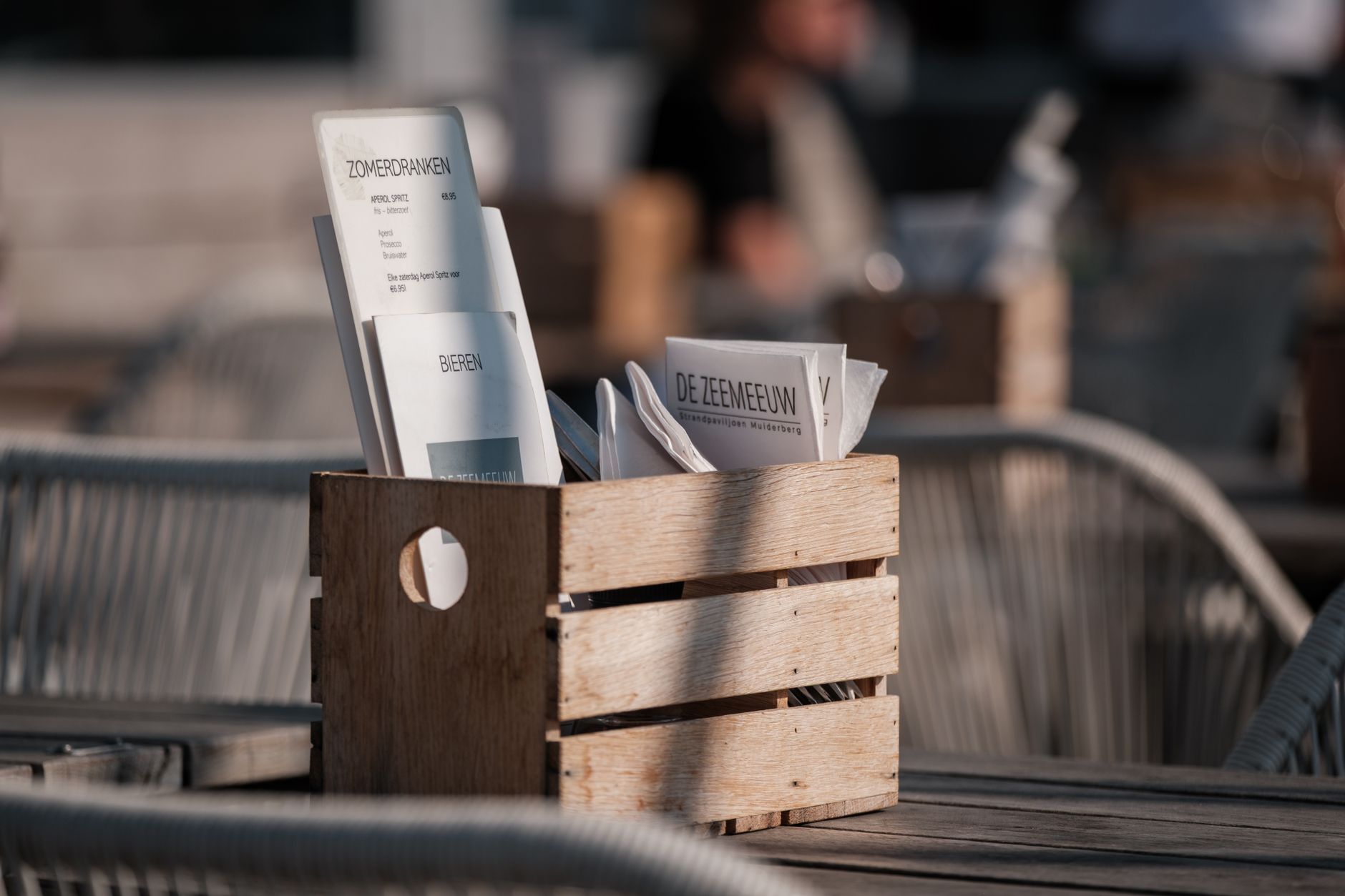
How long does it take to print and deliver restaurant tent cards in Montreal?
Restaurant tent cards commonly require 2 to 5 business days for production, followed by pickup or delivery time. A firm delivery date depends on artwork approval, quantity, stock, finishing, production capacity and the delivery method.
Buyers searching for “imprimer des tent cards pour restaurant a Montreal delai livraison” should distinguish between turnaround and total elapsed time. An imprimerie may quote production separately from the délai de livraison. Turnaround covers the work from receipt of print-ready files through packaging, while shipping or local delivery happens afterward.
One Canadian printing FAQ lists a typical production range of 2 to 5 business days, with shipping beginning on the next business day after production (Printcloud FAQ, accessed 2026). Express service may be faster. Another published schedule lists 2 business days of express production, with shipping on the third business day (Printcloud turnaround information, accessed 2026).
For a Montreal restaurant launch or menu change, work backward from the date the cards must be on tables. Allow time for:
- Artwork review and approval
- Printing and finishing
- Scoring, folding and gluing, if required
- Packing by location
- Local delivery, courier transit or pickup
- Installation or distribution to individual locations
Local pickup can shorten the elapsed time, but it does not reduce the production work required. A request for livraison rapide or impression rush should therefore include the required in-hand date, not only the preferred production speed.
Which tent-card size should a dining establishment choose?
A 4 × 6-inch folded card suits compact promotions, while 5 × 7 inches provides more room for menu items, photography and bilingual copy. The best size balances visibility with the available table space.
4 × 6-inch folded tent cards
This compact format works well on crowded tables, counters and bar tops. It is suitable for a single offer, such as:
- A featured cocktail
- A limited-time dessert
- A QR code linking to online ordering
- A loyalty-program message
- A weekend promotion
Both 4 × 6 and 5 × 7 inches are commonly listed as folded tent-card formats (tent-card size chart, accessed 2026).
5 × 7-inch folded displays
A 5 × 7-inch card offers more visual impact and copy space without becoming oversized for most dining tables. It is a practical choice for a promotion with a headline, product image, short description, price and QR code.
Custom and larger formats
Custom sizes can support premium dining, multi-item promotions or countertop placement. Before choosing a larger card, test a paper mock-up on the actual table. A design that looks attractive on screen may interfere with menus, glassware, condiments or sightlines between guests.
The finished size and the flat size are different specifications. The imprimerie needs the complete flat dimensions, including panels, folds and any locking tabs or glue areas.
What stock and construction should be specified?
Tabletop displays should use a sufficiently rigid card stock, with construction designed to remain upright throughout the promotion. Stock thickness, grain direction, scoring and base style all affect stability.
A Canadian product listing specifies 12 pt card stock with matte or gloss finishing for tent cards, illustrating the type of stock and coating decisions that should be confirmed before ordering (Qwik Print product information, accessed 2026). This is a useful reference point, not a universal requirement. The right stock varies by finished size, design and expected service life.
Common construction options include:
- Simple folded tent: Two printed faces joined at the top, with a folded base.
- Interlocking base: Tabs secure the bottom without adhesive.
- Glued base: The base is assembled during production for quick placement.
- Easel-back card: A single display panel is supported by a rear stand.
- Multi-panel tent: Three or four faces provide additional advertising space.
For restaurant environments, ask whether cards will arrive flat or fully assembled. Flat-packed cards may lower shipping volume, but local staff must fold or lock each unit. Pre-assembled cards save installation time during a multi-location rollout.
For coordinated tabletop signs and related pieces, the menus and tabletop service overview helps buyers compare products intended for the same dining environment.
How should tent-card artwork be prepared?
Artwork should include bleed, safe margins, fold indicators and a dieline that matches the printer’s construction. Print-ready files reduce approval delays, support consistent qualité d’impression and help protect the requested delivery date.
The standard bleed identified in one Canadian prepress FAQ is 0.125 inch, or 1/8 inch, on every side (Printcloud artwork FAQ, accessed 2026). Background colours and images should extend through this bleed area, while text, logos and QR codes should remain inside the safe zone.
Provide artwork as a press-ready PDF with:
- Fonts embedded or converted to outlines
- Images at an appropriate resolution for print
- Colours prepared in CMYK unless spot colours are specified
- Separate dieline, fold and cut layers
- Clearly labelled finished and flat dimensions
- Defined front, back and panel orientation
French and English versions should be proofread independently. In Quebec, copy length can differ substantially between languages, so bilingual layouts need enough space to avoid compressed typography.
Always request a dieline before finalizing the design. Building artwork from an estimated fold position can cause text, prices or QR codes to cross a score. Unlike flat products such as cartes d’affaires, folded displays also require careful checking of panel orientation and the assembled structure.
Which printing and finishing options make sense?
Digital printing, or impression numérique, is usually practical for short runs, multiple versions and fast-changing promotions, while offset production can suit longer, standardized runs. An impression commerciale provider may offer both methods, but the appropriate choice depends on quantity, versioning, schedule and finishing.
Matte and gloss coatings are common choices. Matte surfaces reduce glare under dining-room lighting and create a subdued appearance. Gloss can strengthen colour and image contrast, but reflections may affect readability from some angles.
Other available treatments can include:
- Soft-touch or specialty laminates
- Foil stamping for premium offers
- Embossing or debossing
- Die-cut windows or shaped tops
- Rounded corners
- Spot gloss
- Numbering or variable QR codes
Accent Impression prints, finishes and kits tabletop materials for single-location and multi-store retail rollouts across Canada on its own presses in Montreal.
Specialty finishing adds production steps. If timing is critical, disclose the event date before approving foil, custom die-cutting or complex assembly. A quoted impression rush schedule may apply only to straightforward production and may not include specialty work or the final délai de livraison.
What restaurant promotions work well on tent cards?
Tent cards are best for concise, high-priority messages viewed while guests are seated or waiting. Each face should communicate one clear action rather than reproduce an entire menu.
Useful applications include:
- Seasonal food and drink features
- Happy-hour offers
- Dessert and coffee promotions
- Prix-fixe offers
- Takeout and delivery reminders
- Loyalty-program registration
- Gift-card promotions
- Event announcements
- Social-media or review prompts
- QR codes for ordering, reservations or payment
For multi-location restaurant groups, tabletop cards can be versioned by region, store, language or offer. Clearly identify every version in the artwork, proof and packing list. Location-specific cartons prevent staff from receiving the wrong promotion.
What determines the cost of tabletop cards?
Price depends on quantity, finished size, stock, number of versions, printing method, coating, die-cutting, assembly and delivery. The lowest unit price is not always the lowest total program cost.
A flat-packed option may cost less to ship but require additional labour at each location. A pre-assembled product may increase production or packing costs while making deployment faster and more consistent. Versioning also affects the estimate, especially when each address requires different pricing, language or QR codes.
Published prix compétitifs cannot be evaluated without matching specifications. Compare estimates using the same size, stock, quantity, assembly, packing and delivery requirements. A low production price may exclude setup, proofs, finishing or local delivery.
Use the tabletop pricing information as an initial reference, then define the complete specification. Custom formats, specialty finishing and multi-address distribution vary by job.
When requesting an estimate, provide:
- Flat and finished dimensions
- Quantity per version
- Total number of versions
- Stock and finish preferences
- Assembly requirements
- Packing quantities
- Montreal delivery address or pickup preference
- Required in-hand date
How can buyers protect an opening or campaign deadline?
The safest approach is to approve the dieline and artwork early, confirm whether the quoted schedule means production or delivery, and include contingency time. A requested date is only reliable when the specification and files are complete.
Avoid submitting files late in the day and assuming that day counts as the first production day. Confirm the printer’s cutoff, proofing process and definition of business days. Statutory holidays in Quebec, weather and carrier conditions may also affect final delivery.
For a genuine livraison rapide, ask when the order will leave production, which delivery method will be used and whether someone must be available to receive it. Local pickup may be more predictable than a courier when the deadline is extremely tight.
For recurring campaigns, keep an approved template with locked folds, safe zones and brand elements. Additional planning advice is available in more tabletop printing guides.
Frequently asked questions about tabletop cards
The most common buyer questions concern size, assembly, artwork and the difference between production time and delivery time. Confirming these points before ordering prevents most schedule and installation problems.
Can tent cards be printed and delivered in Montreal within two business days?
It may be possible for a simple, press-ready job under an express schedule, but it is not guaranteed. Quantity, stock availability, finishing, approval time and production capacity all matter. The délai de livraison may also be additional, so a two-day production quote does not necessarily mean the finished pieces will arrive within two days.
Is 4 × 6 or 5 × 7 inches better for a dining table?
Choose 4 × 6 inches for a compact single-message promotion. Choose 5 × 7 inches when the design needs a larger photo, bilingual text, multiple prices or stronger visibility.
Should tabletop cards arrive assembled?
Pre-assembled cards are useful for openings and multi-location rollouts because staff can place them immediately. Flat-packed cards take less carton space but require folding or tab assembly at each destination.
Do tent cards need lamination?
Not always. A coating or laminate may help with handling, moisture and frequent cleaning, but the suitable treatment depends on campaign length and the dining environment. Ask the printer whether the chosen surface can tolerate the intended cleaning process.
Can each location receive a different version?
Yes. Digital production can support location-specific language, pricing, offers or QR codes. Supply a clear version matrix showing the artwork name, quantity and destination for every location.
What should be approved before production begins?
Approve the artwork, dieline, folds, panel orientation, colours, quantity, stock, finish, assembly method, packing instructions and delivery date. For unfamiliar structures, a physical mock-up is especially useful.
Request a quote
Planning this for your locations? Talk to our team. We print it on our own presses in Montreal and ship it ready to install.